
Are Bitcoins Coming to Real Estate?

Bitcoin Image

If someone offered you Bitcoins for the sale of your house would you take it?  You would probably say what’s a Bitcoin and quickly do a Google search.  What you would find is that in 2013 the first sale of a home in Southhampton was offered in Bitcoins.  There were no takers.  Since then, there has not been one sale of a home in the United States using Bitcoins even though there is an organization called International Blockchain Real Estate Association (IBREA) promoting the use Bitcoins in real estate transactions.

The Story of Bitcoin

The story of Bitcoins has been very exciting so far since its creation in September 2009.  It involves a handful of competing cryptologist software nerds that wanted to eliminate the banks and governments from our monetary system by creating a worldwide digital currency.  One person Satoshi Nakamoto came out on top with his technology.  The strange thing is that Satoshi Nakamoto has never come forward to meet anyone. In fact Satoshi has stop communicating with the software designers who helped him in creating this new technology.  Satoshi has disappeared!  To get the whole story, Netflix has a great documentary called “Banking On Bitcoin” which tells the intriguing story of Satoshi, the rise and fall of new instant millionaires, the use of drug dealers and money launders, and the eventual crackdown by the US government.

Since the US government has establish new regulations in controlling the use of Bitcoins, the industry has taken off astronomical.  The reasons for its success is because it speeds up monetary transactions anywhere in the world, cut transaction costs, and reduces fraud!  Currently one Bitcoin is worth $16,720.  In 2009, one bitcoin was worth less than one penny.  To date, there are more than 2.5 million items you can use bitcoin to buy.  The largest retailer accepting bitcoins is Overstock.com.  Amazon is still evaluating the acceptance of bitcoins.

How it works

A Bitcoin is not a shiny coin, but a digital currency on the web called cryptocurrency.  There is a maximum cap of 21 million Bitcoins available in the world as defined by Satoshi.  Bitcoins are tracked on a ledger by computers using a technology created by Satoshi called Blockchain technology.

Understanding Blockchain technology is confusing and complicated.  Blockchain technology involves people called miners who solve mathematical problems to discover the limited amount of bitcoins. (Sounds crazy right?)  As part of solving the mathematical problems and discovering bitcoins, a block or a computer ledger is created that keeps track of every bitcoin. Every block created by a miner is required to connect to every other miner’s block in a chain.  The Blockchain technology creates ledgers using digital balances of public and private “keys.” These keys are a string of numbers and letters linked through a mathematical encryption algorithm. This is the secret to Bitcoin’s security and relative anonymity. The public key is like a bank account number and the private key is like an ATM pin.

Individuals and companies have Bitcoin “wallets” to store keys they purchase from online exchanges There are a limited number of Bitcoin ATMs, where you get a key printout. Like cash, if you lose that piece of paper, you’ve lost your Bitcoin.

The Future of Blockchain Technology in Real Estate

Is Bitcoin or cryptocurrency part of the future of real estate transactions? It’s not so much a question of “if” as it is “how and when,” although the medium (Bitcoin vs another cryptocurrency) has yet to be finally determined.

As long as forms of cryptocurrency are accepted, homes will undoubtedly be purchased this way. Do home owners have anything to fear? As long as they use a licensed agent, a reputable lender, and title company, these transactions shouldn’t hamper the sale.

While Bitcoin is still viewed as a somewhat speculative currency, blockchain technology is here to stay. As an instantly verifiable and secure public record, information can be quickly and easily accessed. This may be the most exciting part for the real estate industry.

If property titles could be secured in the blockchain, it could transform and speed up the mortgage and title process. It could also lessen fraud by preventing the forgery of documents. The International Blockchain Real Estate Association (IBREA) is certainly working toward that end. Its more than 500 worldwide members met this spring in Newport Beach, Calif., to collaborate on mainstreaming this technology. IBREA’s initiatives are ambitious. It’s seeking to create universal platforms that are “open source, nonprofit, secure, and scalable” for property and title, as well as for digital deeds. Insurance and other essentials of real estate transactions could also be added to the blockchain. The IBREA hopes to promote and set standards for real estate transactions using cryptocurrency and set up industry best practices for the escrow process.
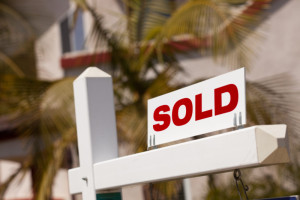
San Diego Housing Bubble 2018?

housing bubble

Many of my clients looking to purchase in San Diego are concerned that the current real estate market is a housing bubble and is ready to pop!  Their main fear is the potential passing of the latest tax reform plan coming out of Washington D.C.:

  1. Elimination of the state and local tax deduction (SALT).
  2. Capping tax deduction of new mortgages of $500,000 or less.
  3. Capping tax deduction for property taxes at $10,000.
  4. Elimination of the mortgage interest deduction for vacation homes.

The consensus among the tax experts is that the other offsets in the tax bill that result in a tax break will not benefit homeowners in California.  It’s anyone’s guess if the tax reform plan will pass with President Trump leading the charge, but everyone said that Trump could never get elected. Okay, I’m digressing.

This is an easy call.  Of course the real estate market will be impacted in California if these changes are made.  It would drive prices down.  But is this a bad thing for new home buyers who can’t afford to buy and are leaving the state to find affordable housing?  Is it a bad thing for California businesses looking to hire new talent who would like to own a home?  It’s something to think about.  I don’t think these changes would cause the market to collapse as it did in 2007.  The economy is to complicated for me and most folks to know the final impact of the tax changes.  We will just have to wait and see how it all turns out.

How to Win a Bidding War

The San Diego real estate market for first time home buyers are facing incredible competition especially in the price range under $500,000.  Multiple offers are a given fact.  You must be prepared to face this reality and be prepared to have a strategy to come out ahead in this unfortunate bidding war environment.  Here are few steps that will mold your strategy into a winning one.

1. Get a preapproval letter from your lender

Getting pre-qualified, which merely confirms your income and how much a bank might be willing to lend you based on your credit profile, isn’t the same as having preapproval for a specific purchase offer.

You can up your chances of beating out other buyers by including a letter from your bank stating that your lender has underwritten your application and it’s simply pending appraisal.

This includes submitting all of your financing documentation to your lender before looking at homes and certainly before writing any offers. That way you can pounce quickly when you find the home you want, and avoid the stress of submitting preapproval paperwork and writing an offer at the same time.

2. Use an escalation clause

If you’re in a multiple-bid situation, you can strengthen your offer by using what’s called an escalation clause. It’s essentially a contract addendum that states you’re willing to increase your offer incrementally up to a certain limit if other offers come in that match or top your initial bid.

For example, say the seller’s asking price is $200,000. Your real estate agent would write your offer to state: “My initial bid is $200,000 with an escalation of $2,000 over competing offers up to $210,000,” or something to that effect. If another bidder offered more than $210,000, however, you’d be out of the running.

An escalation clause is a smart strategy that shows strong interest, but it’s important to stay within your budget and be willing to walk away if bidding goes beyond your limit.

3. Limit the contingencies

Sellers have the upper hand in a multiple-bid situation, and they want offers that are clean and concise. If you know other bids are coming in and you really want a home, avoid putting in too many contingencies or making too many demands.

“Don’t include things like asking the seller to purchase a home warranty or requesting that the seller leaves or repairs certain items.  Having too many of these items in your contract will make it likely that a seller tells you ‘no’ over another offer.

4. Be flexible on the closing

Let’s say someone outbids you by a few thousand dollars, but you’re willing to give the seller more time to move out. That flexibility can make you the front-runner in a multiple-bid scenario. I have seen buyers snag their dream homes even when outbid because they either let the sellers rent back the home for a period or pushed back the closing date.

Extending that courtesy can make your offer more attractive to a seller who might otherwise have to spend more on moving expenses or be crunched for time to find another home.

On the other hand, if a home is already vacant, sometimes you can win the seller over by offering to close in a shorter time. Buyers who offer to close quickly — sometimes within 21 days — can edge out buyers who haven’t been preapproved or have to sell their current home to buy a new one.

Sellers are concerned about liability, theft, holding costs and hazards with a vacant home.  Offer to close at the seller’s convenience with occupied homes. Be flexible if the seller needs to find a new home; provide them that time.

5. Write a ‘love letter’ to the seller

With so much fierce competition out there, sometimes appealing to the heart can make your offer stand out. I suggest that buyers write a heartfelt letter to sellers explaining why they want the house and even have them add a couple of photos of them and their kids or pets.

6. Don’t count yourself out after a bidding war

If you lose a bidding war and the seller chooses another bid, stay in touch if you’re still interested in the house. If a buyer offered way over the asking price, the deal could fall apart on appraisal or the buyer might be bidding on multiple properties to see which one sticks.  Staying in touch with the listing agent throughout their escrow period will keep you at the top of their list if something were to go wrong.

Conclusion – Plan ahead to get the edge

The homebuying process can feel cutthroat at times, but you’ll be in a better position to win the house you want if you write a strong, competitive offer that follows these strategies.

You may well lose one or two bidding wars before you win one; it’s almost a rite of passage for homebuyers. Good luck on your home search, and may the odds be ever in your favor!

Open House Security Ideas

Holding an open house is an act of faith. You clean, declutter, and prepare your home to look its best, hoping at least one of the visitors will fall in love enough to make an offer, preferably all-cash. At the same time, open houses are invitations to strangers to walk among your most prized possessions, often with only a single real estate agent present—and so there are very real security concerns, for agents and homeowners alike.

At least 40% of the agents surveyed by the National Association of Realtors® for its 2015 Member Safety Report say they have experienced a situation that made them fear for their personal safety: Vacant houses, model homes, properties in remote areas, and open houses all caused trepidation. The study found that many now carry weapons for self-defense—no wonder when agents have been killed in the past.

For homeowners, however, self-defense takes place long before strangers show up at the door—and start looking in the refrigerator, the cabinets, the pantry.  You probably know to lock up or take away valuables, but here are a few more things to remember:

Say ‘No’ to drugs

Remove all prescription drugs from your medicine cabinet, even the ones you think are harmless. There are so many tales of open house visitors rifling through medicine cabinets and taking a few pills, or even whole bottles.

Control your remotes

Most people don’t think about the extra garage remote they leave dangling from a hook near the back door. It’s small and easy to slip into a pocket, so take it with you when you leave for the open house.  All keys, remotes, and fobs should either be locked away or in your pocket.

File this under ‘Lock & Key’

There’s a trend in home office decor to make file cabinets pretty and portable—but portability and security are not always compatible. Buy a heavy, non-rolling commercial-grade filing cabinet that locks—and into it put your important documents: birth and marriage certificates, financial statements, basically any legal, medical, or personal information you wouldn’t want falling into someone else’s hands. Identity theft is real and should be taken seriously.

What about my 50-inch flat-screen?

While it’s unlikely that anyone could walk out of your open house with your TV or other large electronics, they could come back for it. That’s why the next item is so important:

It ain’t over till you check your doors & windows

While agents will go through to make sure all lights are off and the house is in good condition after an open house, they might not check the doors. Unscrupulous people have been known to unlock a window or basement door with the thought of returning later. After the open house, walk through your house and check every window (even on the second floor), gate, and door to be certain that they’re all locked.

If you have any other comments on the security of your home, please contact me at “Ask Broker Mark.”

Low Home Inventory Strategies for Buyers

In today’s San Diego real estate market, low home inventory create many difficulties for home buyers in terms of choice and price.  A recent report by Trulia states that U.S. home inventories have hit a record low since the housing market began the turnaround in 2012.

So how can home buyers find their dream home in such a competitive market with low home inventory? Home buyers can sign-up with many different property search services provided by real estate agents or through their own efforts by using sites such as Zillow.  This amounts to a “sit and wait” approach which leads to multiple buyers all rushing to get the same home forcing bidding wars.  Worst of all, home buyers are forced to settle on a home they are not really in love with, but feel compelled to buy since there is little available.  If the home buyer doesn’t have to purchase quickly, there is another way that will allow the home buyer to:

  • Find the home they really want,
  • Avoid bidding wars with other buyers,
  • Save money for the sellers, and
  • Provide flexibility in transitioning to your new home.

My Approach

I have developed a very successful approach that identifies homes prior to coming on the market thereby eliminating other buyers.  My approach is a direct letter campaign targeting a specific list of homes or an area of homes followed by contacting the sellers either by phone or by knocking on their front door.  Sounds simple, but it’s the execution and persistence of the campaign that matters.

First step:  Before one letter is written, it is important to develop a story about the buyer that identifies who they are, why they are interested in the particular home or area, and their financial qualifications (see your mortgage lender to obtain a per-qualification letter) to purchase.  Many sellers receive marketing letters from real estate agents stating they have a nameless buyer that would be interested in buying their home.  These letters are nothing more than shameless marketing pieces about the real estate agents to get their foot in the door.  To be effective, the initial letter must be specifically about the buyer.

Second step:  The home buyer should identify the area they are in love with and identify any particular home that may interest them.   This can be accomplished by driving around neighborhoods and writing down addresses of homes. To be effective, the list should be at least 80 homes.  Of course the buyer should understand from their lender how much a home they can afford.  I provide a basic home pricing analysis for the area to the buyer to guide them in their search.

Third step: Once the buyer’s story is completed, a very brief and “to the point” letter to the homeowner can be created.  My experience and training in writing sales letters to homeowners is required here. Typically, the response from sellers is 1 to 3 homes from a list of 80 homes on the first mailing.  A second and third mailing maybe required over the following month which will flush out more sellers by showing my persistence and sincerity.

Fourth Step: Right after the first mailing, I will canvass the area or specifically identified homes and knock on their doors.  This face to face approach is the most effective aspect of searching for a home.  You learn the “word on the street” on what’s happening in the neighborhood regarding who might be interested in selling and identify the seller’s true motivations in selling their home.

Fifth step:  Once a seller is identified,  a meeting can be establish to view the home.  Most sellers who respond do so because they didn’t want to go to hassle of preparing the home for market or didn’t really know where to start.  I always provide the homeowner a complete market analysis of the most recent comparable sales. It surprising how reasonable most sellers are in coming to a sales price when presented with this information.

One of the other advantages of approaching sellers, they typically do not have a real estate agent representing them which allows me to reduce the total commission since there would be only one agent in the transaction.  This reduces the seller’s costs bringing more to their bottom-line net proceeds.  Also another advantage is the flexibility afforded to the seller and buyer in the timing of the final sale.  A buyer may have to sell their home and do not have worry about a contingent offer since the seller will need time to move out.  Obviously, this approach is not for buyers looking for a quick close.

If you would like to talk more about this approach or  have any questions please give me a call at (858) 342-6810 or contact me via my website at “Ask Broker Mark.”

Request for Repairs

This week’s Blog is a summary discussion on the Request for Repairs List.

Buyer’s Request for Repairs as the result the home inspection can often be a major stumbling block to getting the sale closed. It can be a shock to the Seller and Buyer for the following reasons:

  1. Negotiations were assumed completed, but now are effectively reopened if both parties want to close the sale.
  2. Every California Purchase Agreement states that the home is sold “As Is.” The Seller is not required by the contract to fix any repairs.  If the Seller refuses to address the repairs, the Buyer can either accept the house as is or back out of the deal.
  3. A contractor is required to fix the repairs before the close of escrow.
  4. In lieu of a contractor, a dollar credit to the buyer maybe requested for the repairs.
  5. In lieu of a credit, a reduction in the purchase price maybe requested.
  6. Termite repairs are now included in the request for repairs which were prior to 2015 included in the purchase agreement as a seller expense.
  7. The Seller’s Net Proceeds analysis excludes any mention of the cost to the repairs.

If all of the above items are not handled properly, the transaction at worst will be cancelled or at a minimum will leave an upset seller or buyer.

As a listing agent, I highly recommend my sellers to do a complete home and termite inspections prior to putting the home on the market.  Usually there is considerable push back from the homeowners to pay for these inspections, but buyers will eventually find out what needs to be fix.  Ideally, whatever is discovered during the inspections the items should be fixed to ensure a smooth closing.  Buyers also are pleased to see that the homeowner has taken the time to prepare their home for sale.  The biggest advantage is that there are no surprises for either party.

As a buyer’s agent, I ensure that my buyers understand the concept of “As Is” purchase and their options. In today’s low inventory and multiple offers, the seller’s have more leverage forcing the buyers to accept the house with no repairs. However, seller’s are motivated to complete the sale the first time around. I focus on the repairs that are safety issues and most seller’s will not want to sell a home that have a safety concern.

Now some thoughts on how repairs should be completed.  From the seller’s perspective, completing the repairs through a contractor are a hassle to coordinate and may cause the buyer to comeback if not done properly.  It would be best to provide a credit or a price reduction so that the liability is left with the buyer to complete the repairs.  However, a credit may cause a delay by the buyer’s lender if the credit is over 2 to 3% of the purchase price.  Also a credit may not cover the actual expense without getting accurate quotes.  So buyers prefer the repair to be done by a licensed contractor prior to the close of escrow.  The Sellers will prefer to provide a credit or price reduction.  In practice, repairs are handled 50% of the time by credits/price reductions and 50% of the time by sellers hiring a contractor to complete the repairs.

If repairs are completed by the seller, sellers are required by the purchase contract to demonstrate the repairs were completed along with receipts from the contractors  during the final verification of property condition walk-through.

I am sure this summary discussion will help you understand how to handle repairs that come up during a home inspection.